
We first design the length and the folds
Which tissue to leave, and how much, comes before the laser as a tool. We check friction areas, thickness, and left–right differences.
Naver booking and Kakao chat open in Korean.
Women's Aesthetic Care
Excess tissue is excised with a laser, and the contour of the labia minora is adjusted.
If you are considering laser labiaplasty in Sasang, Busan, review the extent of surgery and recovery plan as well as the instrument used.
Laser labiaplasty is labia minora surgery that uses a laser for tissue excision. It is different from a treatment that only shines light to reduce tissue, and the design, excision range, and suture plan should be reviewed together.
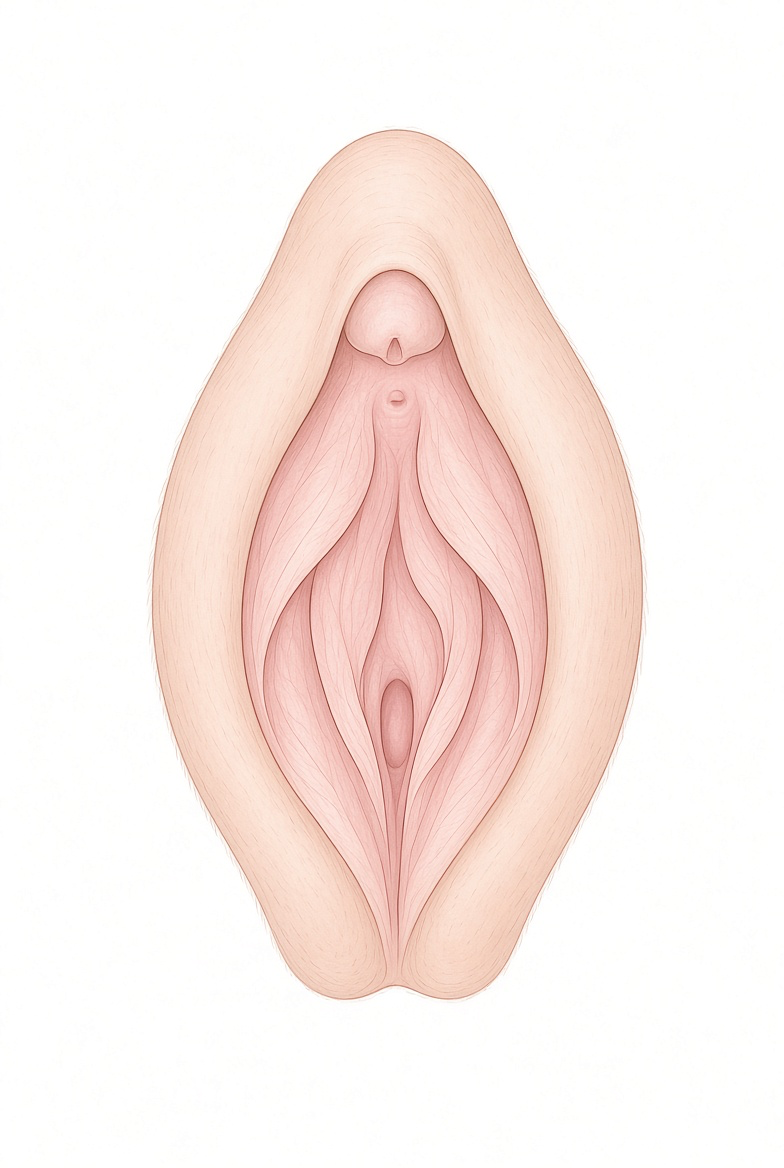
Which tissue to leave, and how much, comes before the laser as a tool. We check friction areas, thickness, and left–right differences.
Tissue in the planned area is excised with a laser. The risk of thermal injury must be considered, and whether and how sutures are used follows the actual surgical plan.
Even when a laser is used, there is still a wound and a recovery period. You will receive an explanation of the risks of scarring, changes in sensation, and pain, and resume activities according to your recovery.
The goal is to adjust excess tissue to change length and contour.
A laser alone does not determine a better result. We review how it differs from signature surgery and the actual devices and suturing methods used.

Laser labiaplasty is also surgery that removes tissue and, when needed, involves sutures. It should be distinguished from non-incisional skin procedures. Using a laser does not mean there will be no bleeding, scarring, or pain.
You can hear an explanation during your visit, review what you need to know, and then decide.
You will hear an explanation of the laser to be used and its purpose, and the advantages and disadvantages compared with other cutting tools. Confirm the in-clinic device name and how it is actually used during your visit.
Even with the same laser, the surgical extent differs. We confirm the area of discomfort, the plan for tissue that will be left, and suture placement.
We compare the change you want with the actual tissue, and you will be told which areas would be operated on and which tissue should be left.
Please share your medications, allergies, and previous surgery history. We will confirm fasting for anesthesia, whether you need someone to accompany you home, and how long you may need to adjust work.
You will receive guidance on how to clean the wound, how to use prescribed medicines, and your next visit. Exercise and sexual activity are resumed after recovery is confirmed.
Swelling and pain ease at different rates. We cannot promise full recovery by a specific date, or that no scar will remain.
Bleeding, infection, scarring, changes in sensation, or pain may occur. Ask also about cases where discomfort remains or further treatment is needed.
If there are concerning changes such as increasing bleeding or pain, or a wound opening, contact the medical facility where you had surgery.
The instrument alone cannot determine how quickly you recover. Return to daily life depends on the extent of surgery, the condition of the wound, and each person's healing.
It depends on the type of suture and the wound condition. Do not remove sutures yourself; follow postoperative instructions and visit schedules.
Even when a laser is used, this is surgery involving tissue removal and suturing when needed. It should not be understood as a non-incisional light treatment; using a laser does not mean there will be no bleeding, pain or scarring.
Please tell us what is bothering you and your previous examination and treatment history. Together we will confirm the care you need.
LILEAP WOMEN'S CLINIC, Sasang, Busan · Care from a female obstetrics and gynecology specialist
9th floor, M City Building, 200 Sasang-ro, Sasang-gu, Busan
Lileap Women's Clinic is conveniently accessible via Sasang Station on the light rail, Sasang Station on subway Line 2, and Sasang Bus Terminal.
Before your visit, confirm the clinic schedule and any preparation when booking or by phone.
This is general medical information. Individual care plans and what is offered at the clinic are confirmed during consultation.