
Internal observation
A camera and fluid are used to look inside the uterus. The purpose is to examine more closely questions that arose from ultrasound or other tests.
Naver booking and Kakao chat open in Korean.
Surgery
A test that uses a thin camera to look directly inside the uterus.
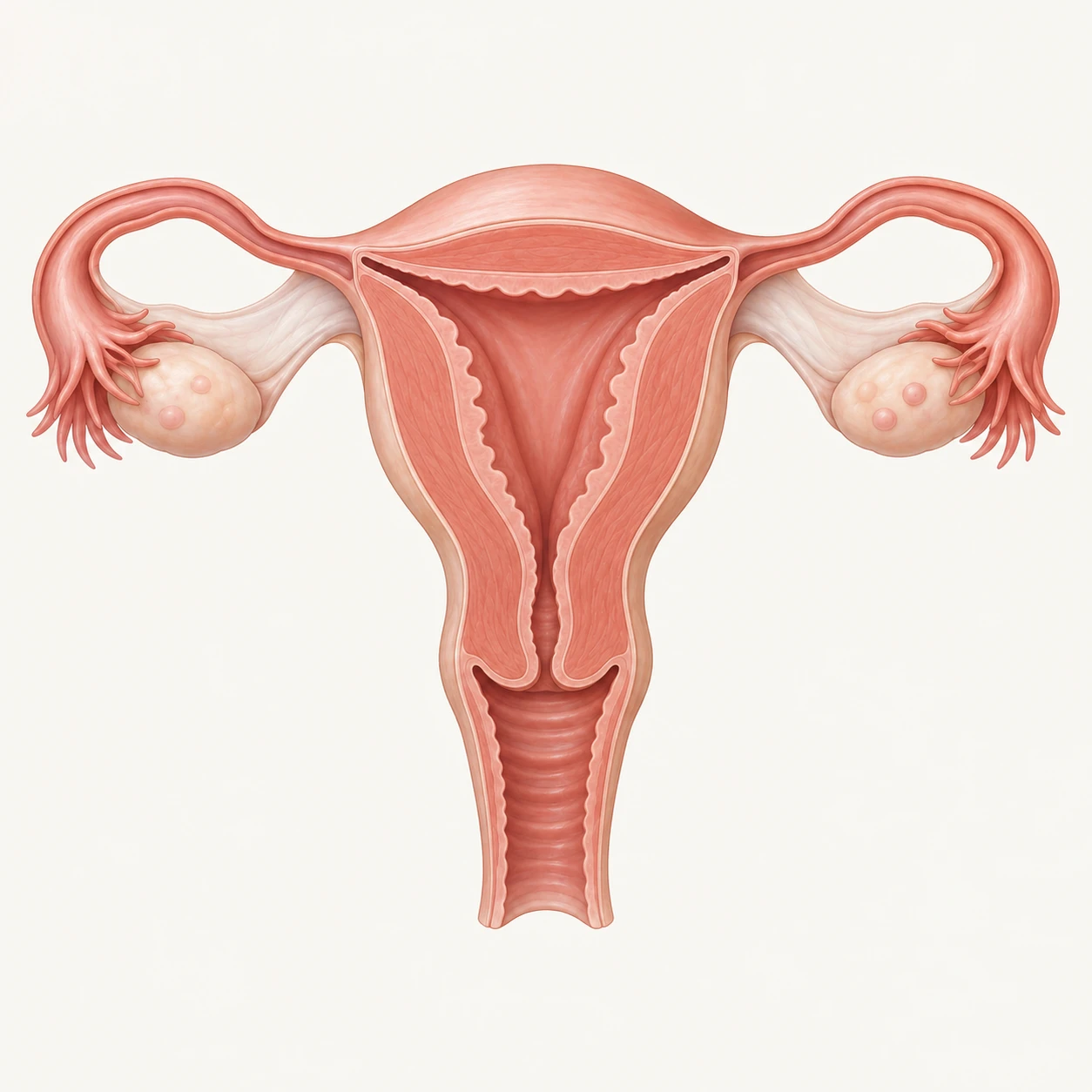
A schematic to help you understand the location and approach.
A thin camera is passed through the vagina and cervix to view the inside of the uterus. A biopsy or treatment of a polyp or another finding may be planned at the same time if needed.
Hysteroscopy uses a thin camera inserted through the vagina and cervix to look inside the uterus. It is used to evaluate abnormal vaginal bleeding, the endometrium, polyps, and similar findings, and a biopsy or treatment can be planned at the same time if needed.
You can hear an explanation during your visit, review what you need to know, and then decide.
A camera and fluid are used to look inside the uterus. The purpose is to examine more closely questions that arose from ultrasound or other tests.
Collecting a sample or treating polyps or similar findings may be needed. Confirm in advance what can be done at the clinic and whether additional consent or anesthesia would be required.

Tell us if pregnancy is possible, and receive guidance on contraception and the timing of the examination beforehand. Medications and allergies are also reviewed.
If a previous pelvic exam was painful or you are anxious about the examination, please tell us in advance. Pain control and anesthesia options that may be available can be discussed.
Time in the clinic and recovery vary with whether anesthesia is used and the extent of treatment. If sedation or general anesthesia is planned, confirm arrangements for someone to accompany you home and any driving restrictions.
Pain, bleeding, and your overall condition are checked. If discomfort during the exam is significant, you may ask to stop.
You will receive a separate explanation of what was seen during the exam and the results from sampled tissue. Check when results will be available and the plan for further care.
Watch how bleeding and pain settle, and follow the guidance on menstrual products, exercise, and sexual activity.
If bleeding increases, abdominal pain worsens, or you have fever or foul-smelling discharge, contact the testing facility right away and seek care.
Typical hysteroscopy is approached through the vagina and cervix. If another surgery is planned at the same time, please ask for a separate explanation of that scope.
Please tell us what is bothering you and your previous examination and treatment history. Together we will confirm the care you need.
This is general medical information. Individual care plans and what is offered at the clinic are confirmed during consultation.