
Why is excision needed?
You will receive an explanation comparing current results with other options, such as observation or further testing.
Naver booking and Kakao chat open in Korean.
Surgery
This method excises abnormal tissue of the cervix using a thin loop that carries an electrical current.
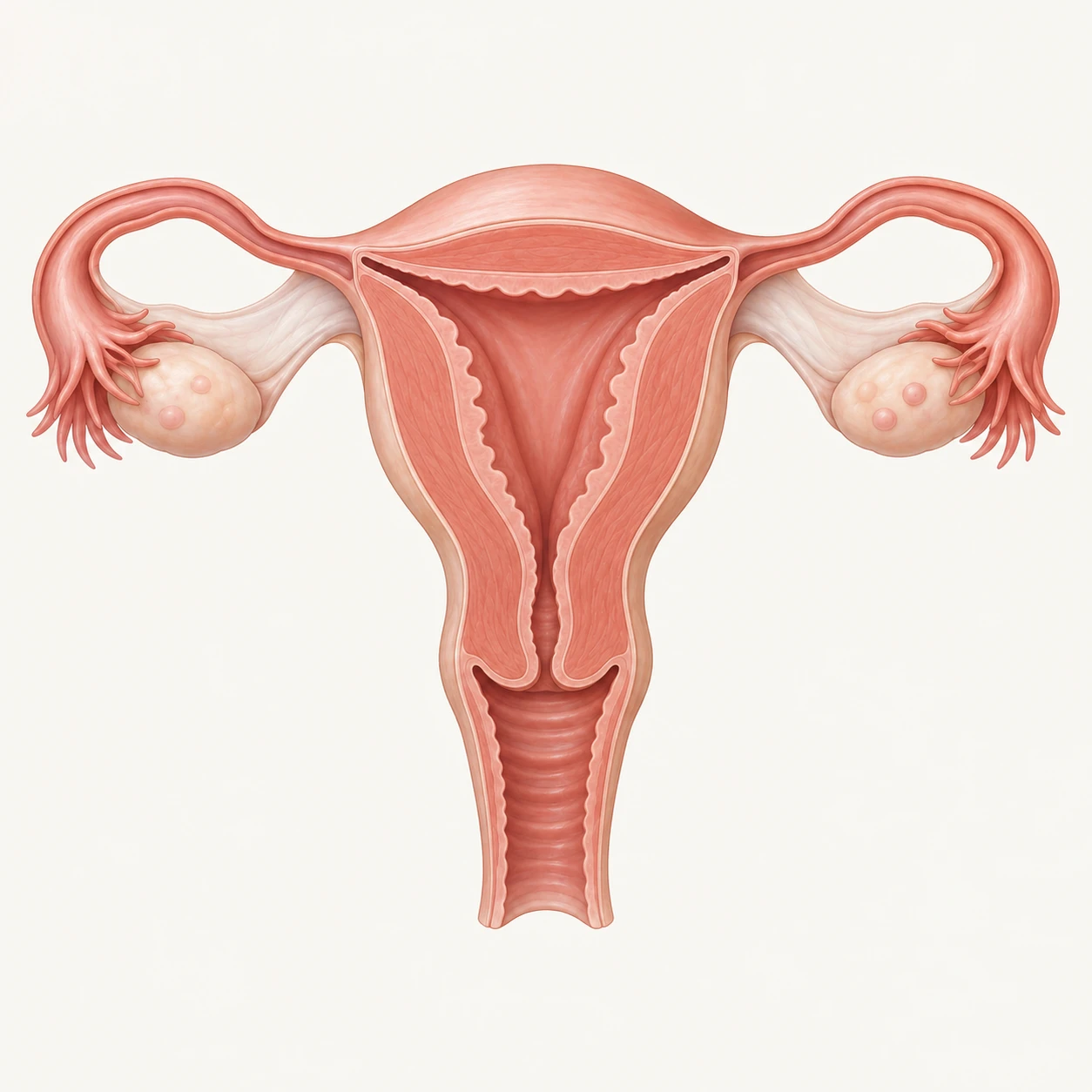
The highlighted area shows the concept of the excision site; the actual extent depends on test results.
Conization is surgery that removes part of the cervical tissue. LEEP is an excision method that uses an electric loop; it is not surgery to remove the entire uterus.
LEEP removes abnormal cervical tissue using a thin wire loop carrying an electric current. At LILEAP WOMEN'S CLINIC, we review the test results and extent of cervical precancerous lesions, along with pregnancy plans, to determine whether surgery is needed. The removed tissue undergoes a pathology examination.
Surgery is not decided based on a positive HPV result or abnormal cytology alone. Follow-up testing or additional treatment may be needed depending on tissue results.

You will receive an explanation comparing current results with other options, such as observation or further testing.
We confirm the extent of abnormal tissue, the method to be used, and the anesthesia plan. The depth and amount of excision can differ from person to person.
If you want a future pregnancy, or if there is any chance you may be pregnant now, please be sure to tell us. This can affect timing, the extent of tissue removal, and later pregnancy care.
Please tell us about your medications, allergies, and any previous cervical treatment, and confirm individual preparations such as fasting and having someone accompany you home.
The removed tissue is analyzed to check the extent of the lesion and the resection margins, among other findings. Please receive guidance on when to discuss the results.
Further treatment or testing is planned based on the results. Cervical screening is still needed afterward, even if you have had surgery.
Bleeding, infection, cervical stenosis, and other problems can occur. If bleeding becomes heavier or you have fever, pain, or other concerning symptoms, contact the facility that performed the surgery.
After excision, the risk of pregnancy-related issues such as preterm birth may be higher in some people. Please tell us about any excision history at future pregnancy visits.
Timing for internal menstrual products and for resuming sexual activity and exercise is guided according to wound healing.
Conization refers to surgery that removes part of the cervix; LEEP is a method that uses an electric loop. Even procedures with the same name can differ in the actual extent of excision and the anesthesia plan, depending on test results and the clinical situation.
This is surgery that removes part of the cervix; it is different from surgery that removes the entire uterus. Please have the planned extent for you explained in specific terms.
Please tell us what is bothering you and your previous examination and treatment history. Together we will confirm the care you need.
This is general medical information. Individual care plans and what is offered at the clinic are confirmed during consultation.