
We identify areas of discomfort
We distinguish how it looks when standing from where it rubs during movement. We check not only left–right length, but also thickness and how the folds around the clitoris connect.
Naver booking and Kakao chat open in Korean.
Women's Aesthetic Care
Extra labia minora tissue is adjusted to address concerns about friction and shape.
At a labiaplasty consultation in Sasang, Busan, please describe your preferred appearance and discomfort in daily life separately.
Labiaplasty adjusts protruding or elongated labia minora tissue to change its length and contour. We plan the procedure by reviewing the areas that rub against clothing or fold inward, together with the shape you want.
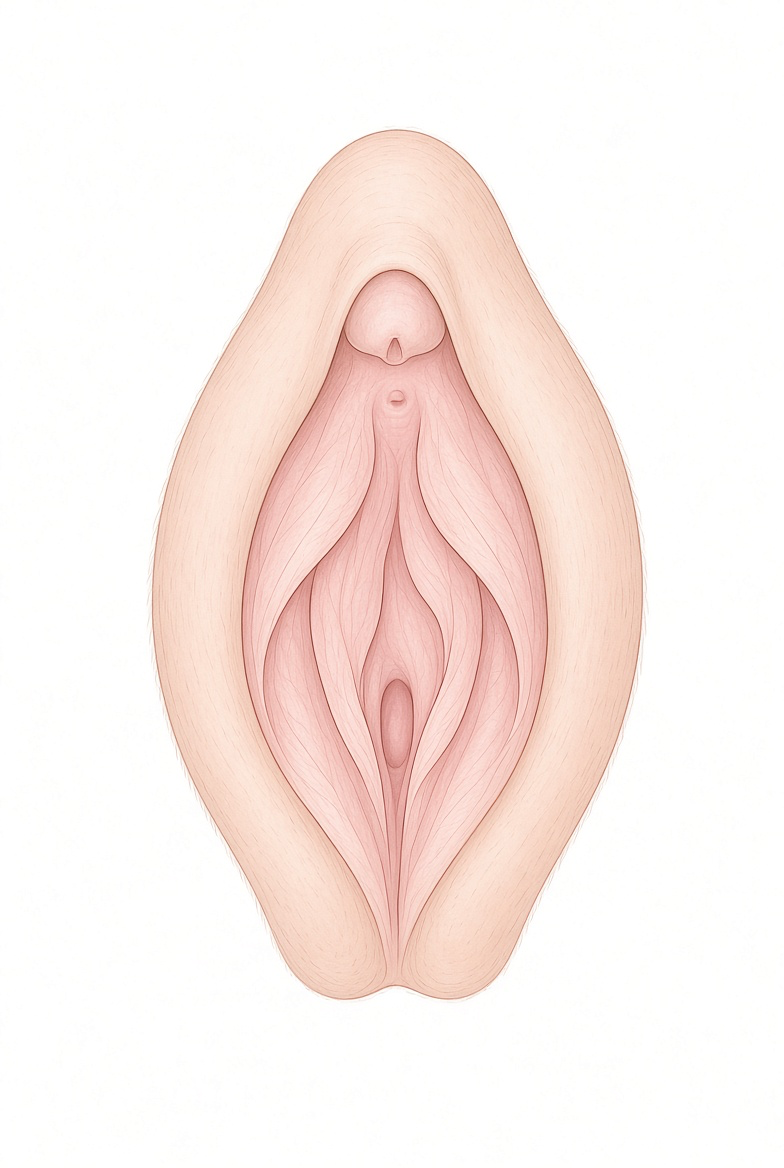
We distinguish how it looks when standing from where it rubs during movement. We check not only left–right length, but also thickness and how the folds around the clitoris connect.
Methods differ, such as reducing along the edge or excising a wedge-shaped portion. The appropriate extent is chosen with skin redundancy and sensation in mind.
Planned tissue is adjusted and then sutured. Independent of whether a laser is used, the extent of excision, suturing, and wound care affect the result.
The goal is to adjust the length and contour of the protruding part; complete symmetry is not guaranteed.
The aim is to ease friction and pulling caused by labia minora tissue. Pain from other causes needs a separate evaluation.

The length, folds, and left–right difference of the labia minora vary from person to person. If everyday movement or clothing causes repeated irritation, we examine the cause and review both the possible help and the burdens of surgery to reduce tissue.
You can hear an explanation during your visit, review what you need to know, and then decide.
Please tell us which activities cause irritation, such as walking, exercise, or cycling.
If itching or stinging is also present, inflammation or a skin problem may need to be checked first, separately from a surgery consultation.
You can describe the change you want without using someone else's appearance as a target. We look at what is possible for your own anatomy.
Resection and suturing are planned with the area of concern and the tissue to be preserved in mind. The clitoral hood and labia majora are separate areas, so the need to treat them is assessed independently.
A laser is one type of tool used in surgery. It does not by itself determine the extent of tissue removal or recovery. Confirm the device and method during consultation.
We compare the change you want with the actual tissue, and you will be told which areas would be operated on and which tissue should be left.
Please share your medications, allergies, and previous surgery history. We will confirm fasting for anesthesia, whether you need someone to accompany you home, and how long you may need to adjust work.
You will receive guidance on how to clean the wound, how to use prescribed medicines, and your next visit. Exercise and sexual activity are resumed after recovery is confirmed.
Swelling and pain ease at different rates. We cannot promise full recovery by a specific date, or that no scar will remain.
Bleeding, infection, scarring, changes in sensation, or pain may occur. Ask also about cases where discomfort remains or further treatment is needed.
If there are concerning changes such as increasing bleeding or pain, or a wound opening, contact the medical facility where you had surgery.
Perfect symmetry is not a measure of health. Differences may remain after surgery, and actual discomfort and tissue function are considered together.
You can hear the explanation and take time to think. Confirm whether the change you hope for is possible and whether you can manage the recovery schedule before deciding.
Both expressions can refer to surgery that adjusts the length and contour of labia minora tissue. Beyond the name, it is important to understand the extent of removal, suturing method, tissue to preserve, expected changes and demands of recovery.
Please tell us what is bothering you and your previous examination and treatment history. Together we will confirm the care you need.
LILEAP WOMEN'S CLINIC, Sasang, Busan · Care from a female obstetrics and gynecology specialist
9th floor, M City Building, 200 Sasang-ro, Sasang-gu, Busan
Lileap Women's Clinic is conveniently accessible via Sasang Station on the light rail, Sasang Station on subway Line 2, and Sasang Bus Terminal.
Before your visit, confirm the clinic schedule and any preparation when booking or by phone.
This is general medical information. Individual care plans and what is offered at the clinic are confirmed during consultation.