
About Us
LILEAP Columns
Stories about women’s health and daily life, told step by step by LILEAP.
All columns 52
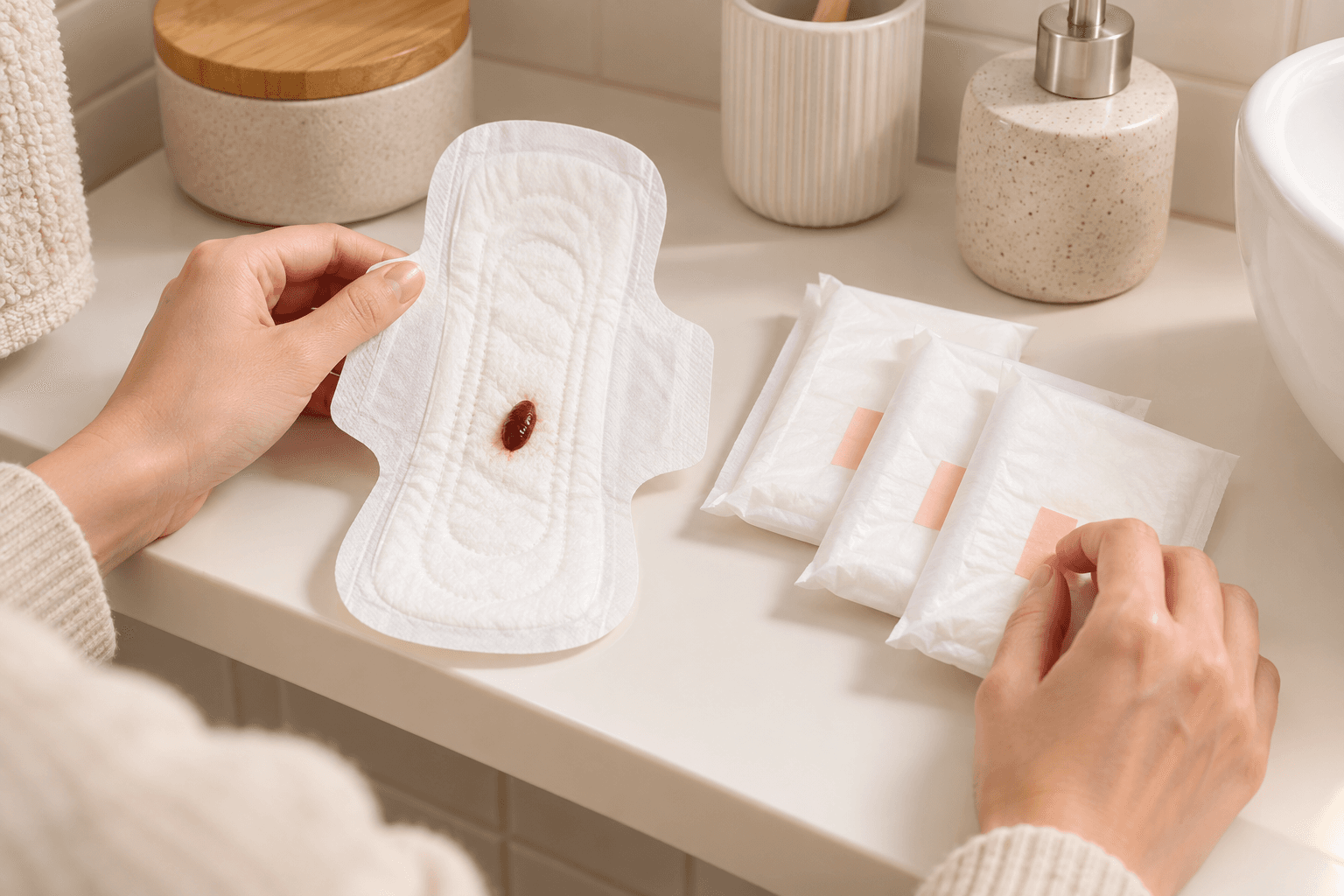
I'm passing blood clots during my period. What should I pay attention to?
Summarizes how to record the amount of bleeding, the interval between pad changes, and accompanying symptoms when blood clots appear during a period, and situations in which care should not be delayed.
Read the column →
When can I return to work or exercise after abortion surgery?
When planning a return to work or exercise after abortion surgery, it explains that work intensity and recovery symptoms should be checked together, and it gives guidance on restrictions after anesthesia and emergency signals.
Read the column →
My HPV test came back positive. Can I still get the vaccine?
It distinguishes a positive HPV result from the role of vaccination, and explains the information to check before vaccination and why follow-up observation based on the test results is needed.
Read the column →
I missed the interval between laser hair removal sessions. Do I need to start over from the beginning?
It explains how to adjust the next schedule, based on the remaining hair and the condition of the skin, when a laser hair removal appointment is delayed, and what to check about side effects.
Read the column →
Who can see termination of pregnancy medical records?
Learn about adult patients’ access to medical records and copies, legal exceptions, record retention, and questions to ask about privacy in communications and documents.
Read the column →
Recovery after an abortion and the next follow-up visit
How to review the instructions before you go home and share changes you notice at home at the next follow-up visit.
Read the column →
Early signs of urinary incontinence: Do a few drops of leakage matter?
If your underwear feels slightly wet or urine leaks before you reach the toilet, start by noting when it happens, rather than focusing only on the amount.
Read the column →
I can feel a lump on my vulva. How is the cause identified?
It looks at the location, pain, and speed of change of a vulvar lump, and explains signs that need prompt care and the process of deciding on tests and treatment.
Read the column →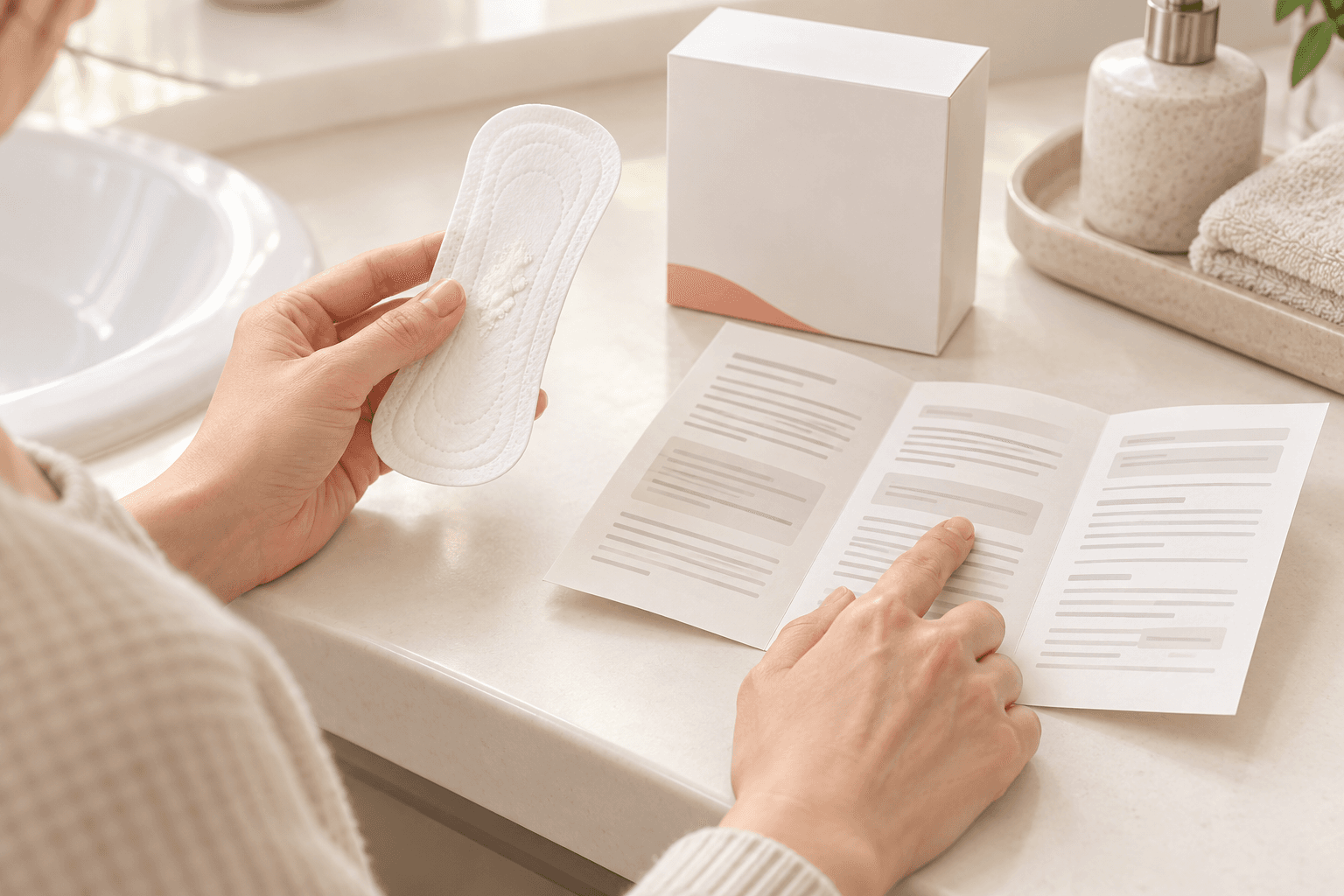
I inserted a vaginal tablet and it is leaking out. Do I need to insert it again?
It distinguishes when white residue is seen after using a vaginal tablet from when the medicine comes out whole, and explains what to check before additional use and symptoms that need care.
Read the column →
My lower belly hurts after sex. Is that okay?
Lower belly pain after sex sometimes passes as a brief ache, but if it keeps coming back or gets stronger, causes deeper in the pelvis need to be checked. Here is what to note down and when to act quickly.
Read the column →
How does treatment for urinary incontinence differ by type?
Whether you leak when you cough or because of a sudden urge changes the first step of incontinence treatment. We look at how the types are told apart, the criteria for choosing each stage of treatment, and the risks to know before surgery.
Read the column →
One side of my labia minora looks bigger. Is that normal?
Left and right labia minora that are exactly the same are actually rare. One side looking bigger is not abnormal on its own, so start by checking whether anything has newly changed and whether you have discomfort in daily life.
Read the column →
I leak urine when I cough. Could I have urinary incontinence?
Leaking a few drops when you cough can also be urinary incontinence, and it is common. Writing down when leaks happen for about three days makes the next step much clearer.
Read the column →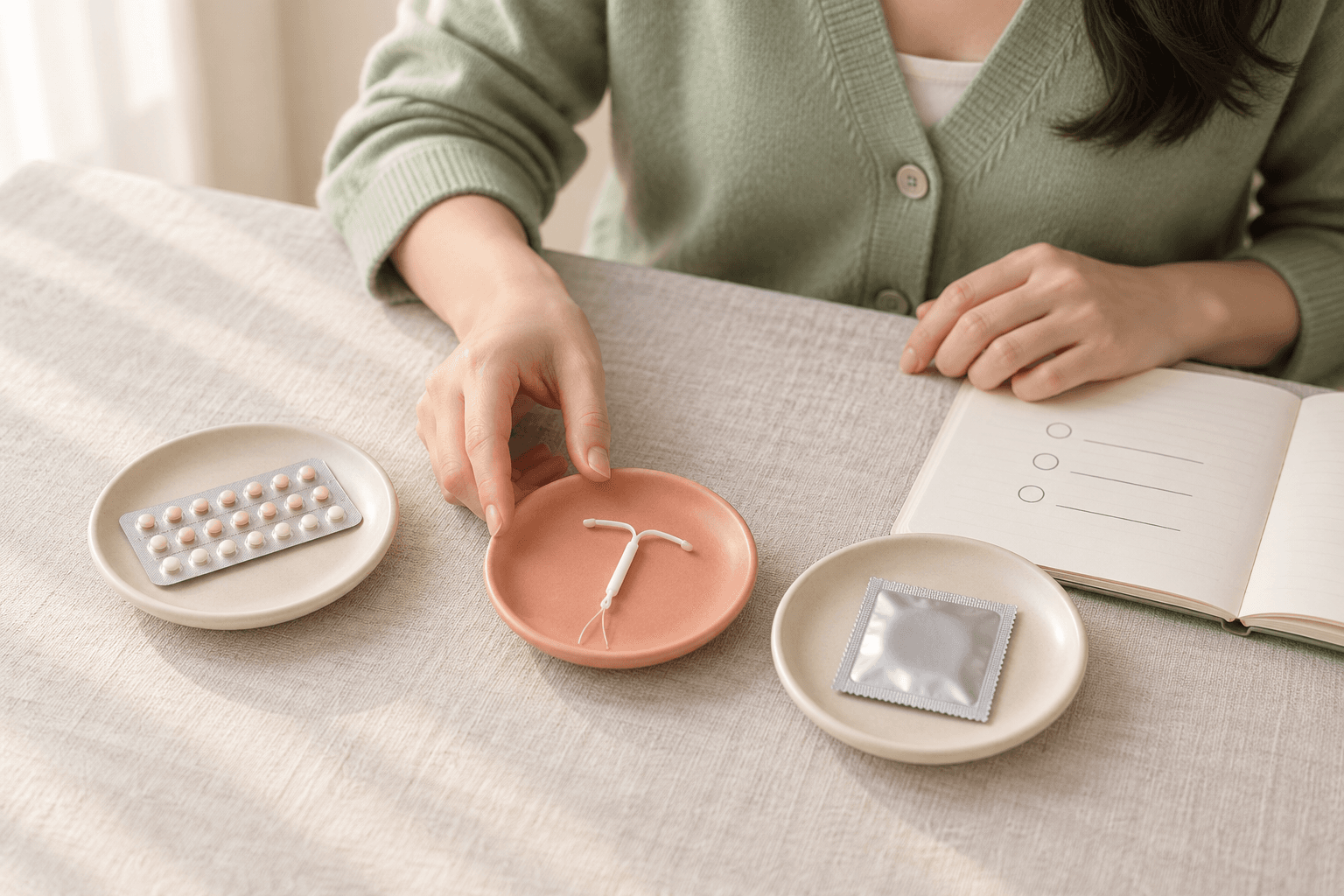
Which contraception is right for me, and what criteria should I use to choose it?
There is no single right answer for contraception. Going through effectiveness with typical use, a way of using it that fits your life, your health and period changes, and your pregnancy plans, one by one, narrows down the method that suits you.
Read the column →
Recovery after vaginoplasty: when are daily life and sex okay again?
A wound inside the vagina is hard to see, which makes it harder to gauge how far you have healed. Learn about the changes common after surgery, care at home, and what to check when you start daily life and sex again.
Read the column →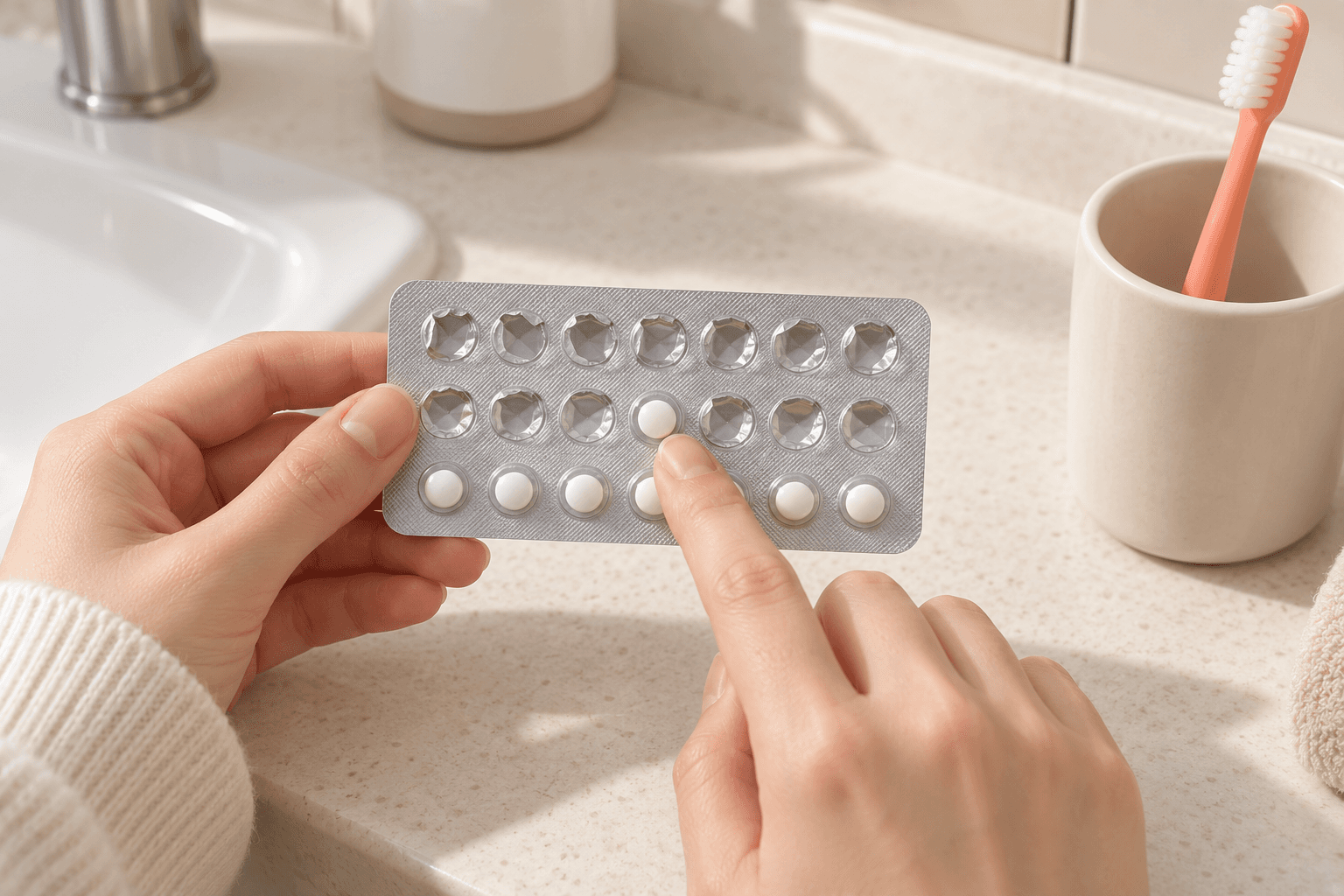
I forgot to take my birth control pill. What should I do?
If you forgot your pill, first check how many pills you missed and where in the pack you missed them. What to do, and how long you need additional contraception, depend on those two things.
Read the column →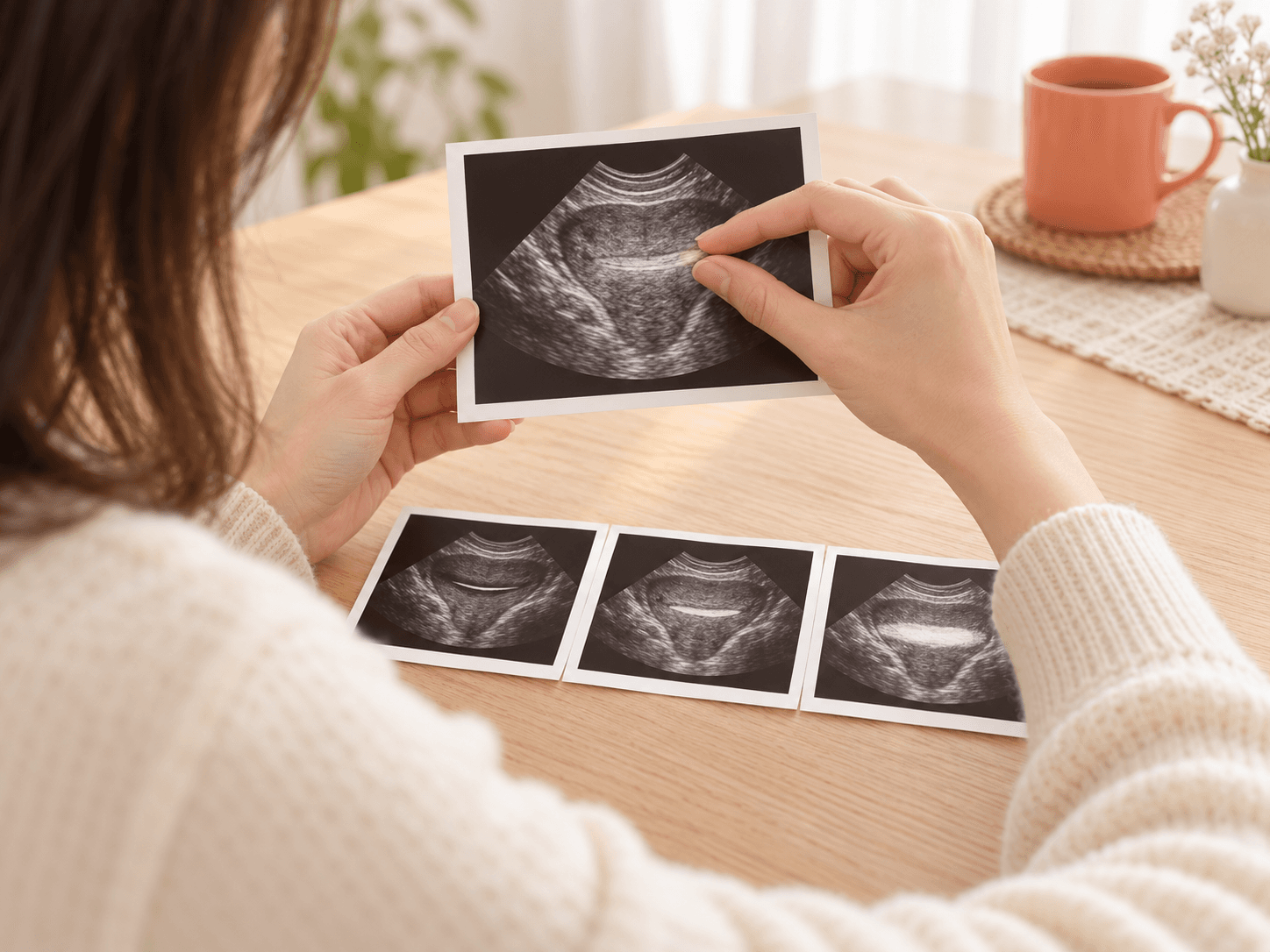
I was told on ultrasound that my endometrium is “thick.” What else should be checked?
Endometrial thickness is not a diagnosis but a number measured on the ultrasound screen. The same number can mean different things depending on when it was measured, whether you are before or after menopause, and whether there has been bleeding.
Read the column →
Vulvar brightening: what happens during and after the procedure?
Vulvar brightening rarely ends in one session; it continues at intervals while watching how the skin responds. Learn in advance the care needed in the days after a procedure and the signs that mean you should contact the clinic.
Read the column →
When period pain is very bad, how should I take painkillers and when should I see a doctor?
Painkillers for period pain tend to work better when taken as the pain begins rather than after holding out. We have put together what to check before taking them and when to see a doctor instead of getting by on medication.
Read the column →
My cervical cancer screening result says ‘abnormal’—what does it mean?
An ‘abnormal’ cytology result is not a cancer diagnosis but a signal that something needs further checking. Looking at the finding name on your result sheet together with the HPV result shows the next step.
Read the column →
I'm considering a vaginal laser. What should I check before the procedure?
A vaginal laser is not a procedure to choose lightly just because there is no incision. Check your own health and the change you hope for before you go ahead.
Read the column →
The morning-after pill: by when, and how, should I take it?
If you think your contraception failed, start by checking the time you had sex. The morning-after pill requires a prescription, and although the deadline is 3 or 5 days, the sooner you take it, the better.
Read the column →
STI tests: which tests should I get, and how do I read the results?
STI tests use different samples and methods depending on the infection being looked for. On your report, do not look only at negative or positive; also check which items were tested, at which site, and when.
Read the column →
I'm considering vaginal filler. What should I know before and after the procedure?
Vaginal filler is not care that ends with the injection; it is a medical procedure that leaves material in the body. Learn in advance what to mention before the procedure and what changes to watch for afterward.
Read the column →
Worried after sex: when should I get tested for STIs?
If you are worried after sex, start by writing down the date. If you have symptoms, do not wait; if you have none, test at the time when results can be trusted for each infection.
Read the column →
When cystitis keeps coming back, what should be checked?
If, within 6 months, you get cystitis 2 or more times, or within 1 year, 3 or more times, it is time to check the causative bacteria and recurrence factors before repeating the same medicine. Prevention methods also differ in how much evidence supports them.
Read the column →
My labia majora look saggy and wrinkled. What should I discuss first at a consultation?
The shape of the labia majora differs from person to person and changes over time. Start by separating what feels uncomfortable from what aspect of the appearance bothers you, then compare reduction surgery, volume supplementation and the choice not to have surgery.
Read the column →
It stings when I pee and I keep needing to go. Could it be cystitis?
Not every stinging feeling or constant urge to go is cystitis. Note when it started and what other discomfort you have, and do not put off seeing a doctor if you have a fever, pain in your side or blood in your urine, or if you are pregnant.
Read the column →
Menopausal hormone therapy: who is it right for, and what should be checked?
Hormone therapy is not a treatment with the same answer for everyone. The decision weighs your most troublesome symptom, whether you have a uterus, any history of breast disease or blood clots, and how long it has been since menopause.
Read the column →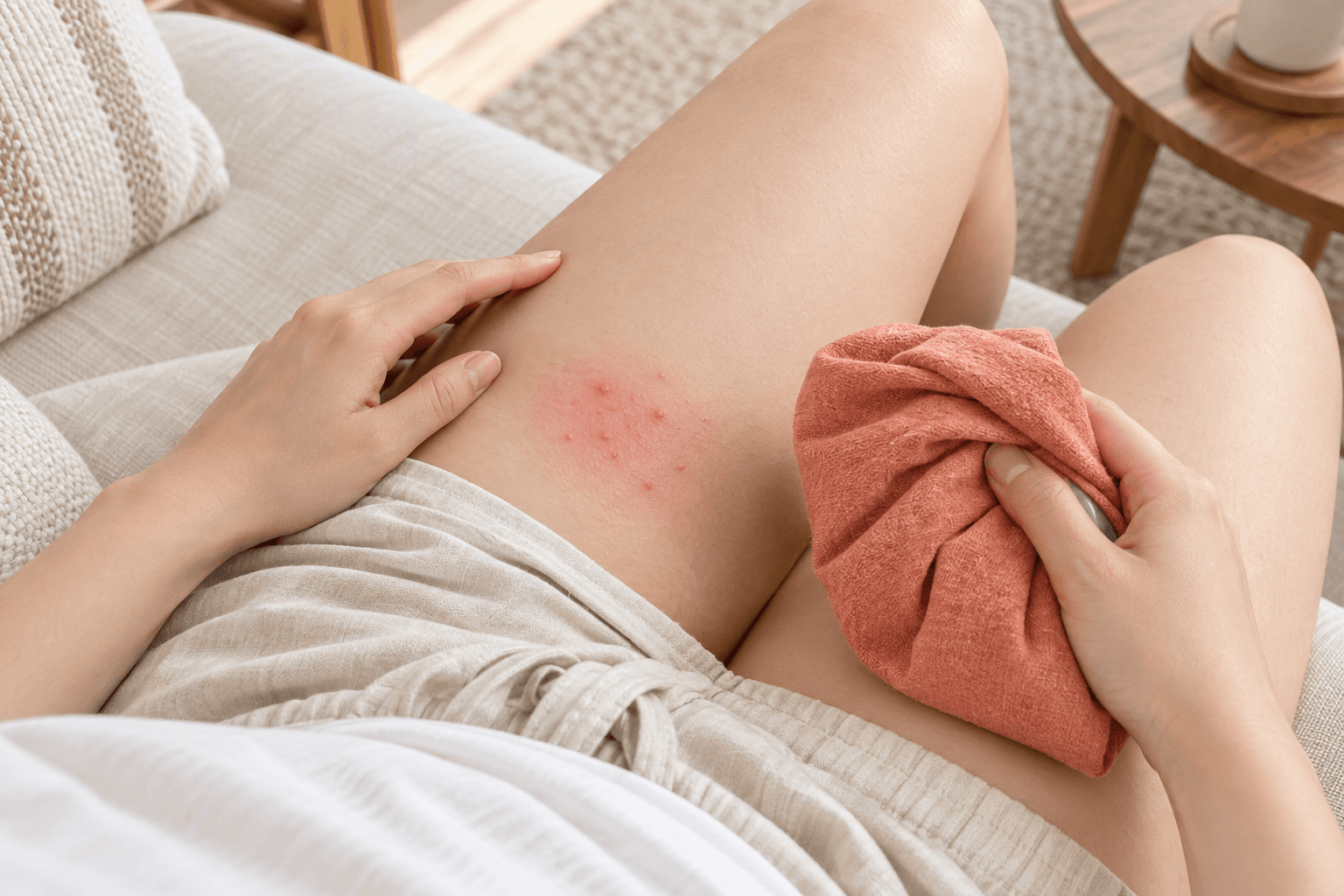
Red bumps after laser hair removal: When should you seek care?
Red, bumpy skin after hair removal is often a common reaction, but there are also signs such as blisters, pus, or fever that need to be checked right away. Start by looking at when it appeared and what it looks like.
Read the column →
My vagina feels dry and sex hurts. Where should I start?
Dryness and pain during sex are not something you just have to put up with. Start by noting when and where it hurts, and use lubricants and moisturizers for their different purposes.
Read the column →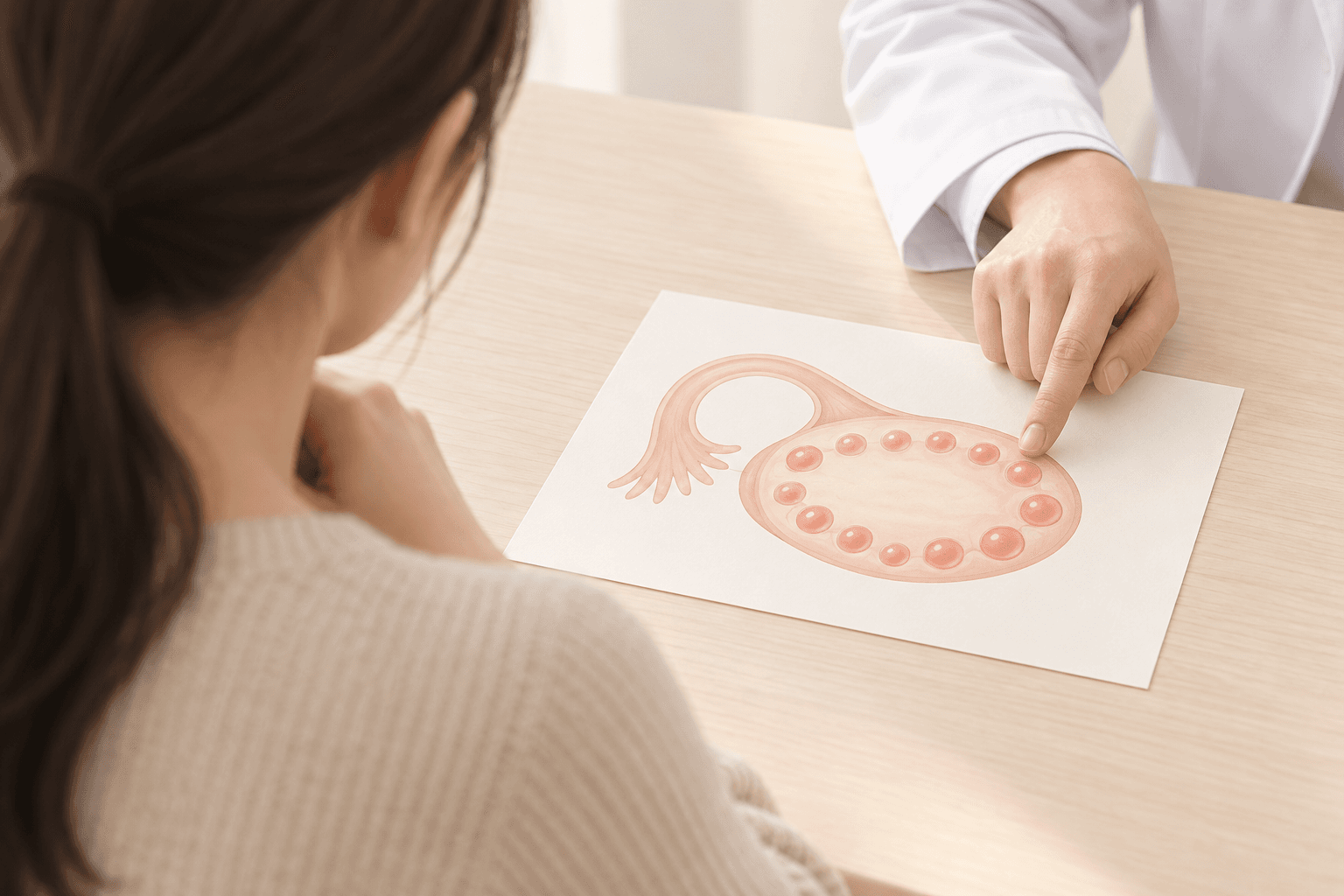
Polycystic ovary syndrome: how is it diagnosed, and how is it managed?
It is not a condition decided by the appearance of the ovaries on ultrasound alone. After checking which of three features overlap and whether another cause is involved, care is planned around what bothers you most now and your pregnancy plans.
Read the column →
Recovery after labia minora surgery: when is everyday life okay again?
Your return date depends on the extent of the surgery and how the wound heals. Look at the changes that happen during recovery, care at home, and what to check when restarting activities.
Read the column →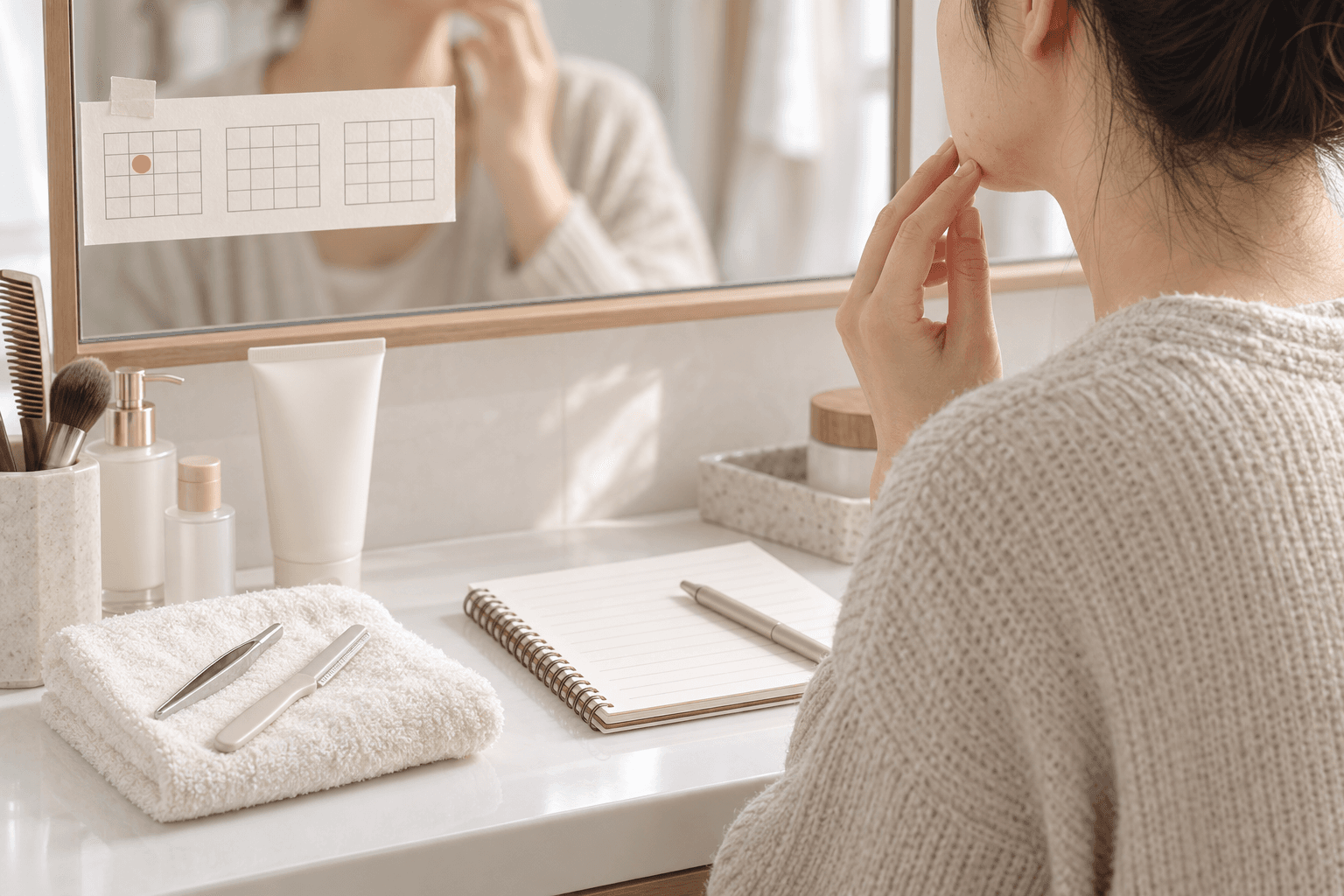
My periods keep skipping and I have more acne and body hair. Could it be polycystic ovary syndrome?
When changes in your cycle and in your skin and body hair seem to overlap, worry can grow. Before drawing your own conclusions, gather the signs and learn how to check them together with other causes.
Read the column →
Irregular bleeding: how is the cause found during a clinic visit?
Finding the cause of abnormal vaginal bleeding is not about filling in a list of test names. See how the possibilities are narrowed down, starting from where the blood is coming from, and what question each test answers.
Read the column →
Why does hair grow back after laser hair removal?
Hair that grows back after laser hair removal is, in most cases, an expected part of the process. How many sessions you need is judged by how your own hair and skin respond rather than by a fixed number.
Read the column →
I'm spotting when it isn't my period. How should I look into it?
For bleeding between periods, first check for urgent signs such as heavy bleeding, dizziness, or possible pregnancy with abdominal pain. Discuss the cause at a visit using your bleeding notes.
Read the column →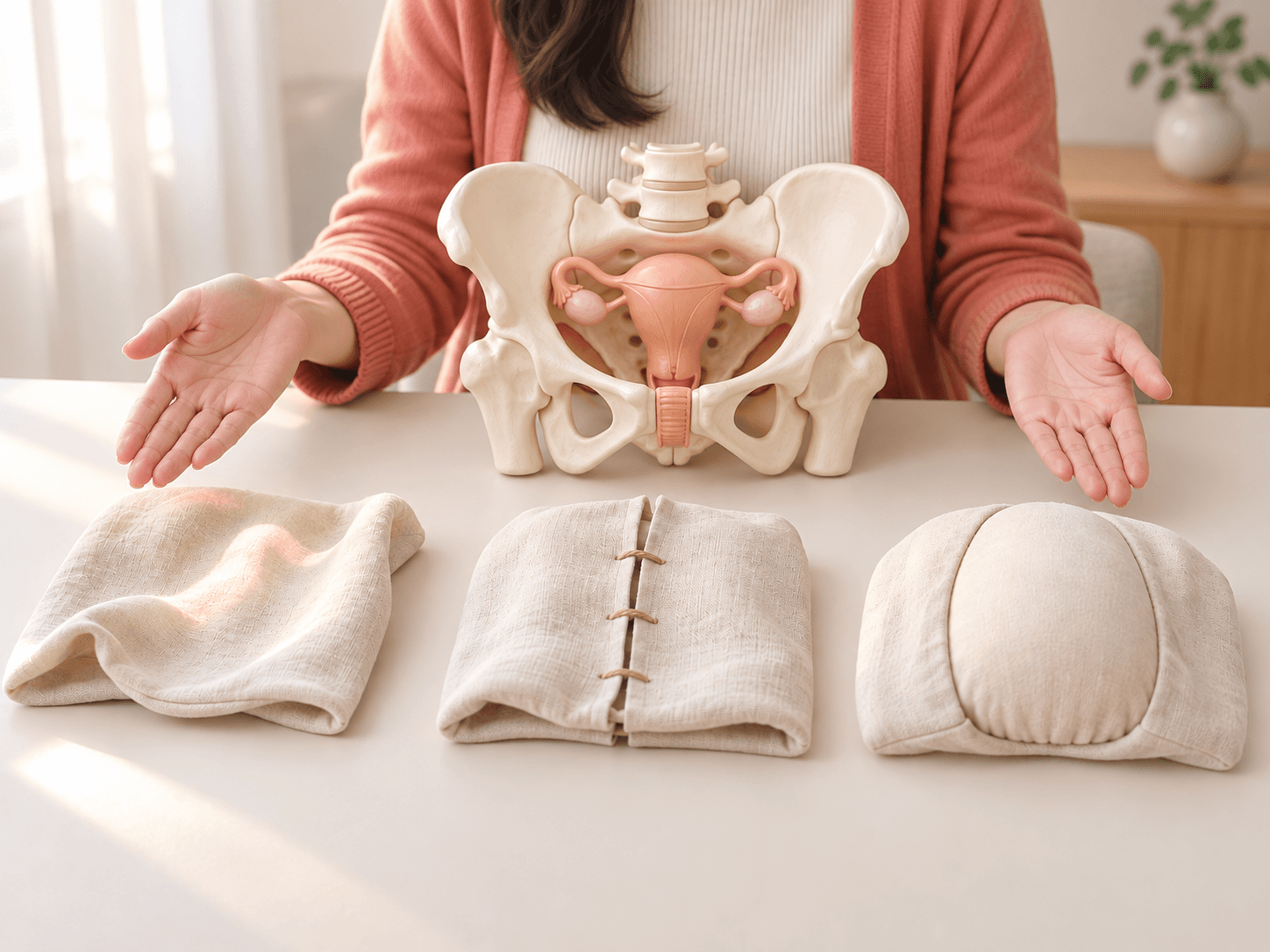
How do vaginal laser, vaginal plastic surgery, and vaginal filler differ?
A method that delivers energy, surgery that sutures tissue, and a procedure that places material do not promise the same result. This looks at the differences to check by connecting them with your own discomfort.
Read the column →
When the vagina feels looser after childbirth, where should the consultation start?
If you are unsure how to describe what feels different after childbirth, start with the moment that bothers you most. This article explains what to check before focusing on procedure names.
Read the column →
When the labia minora chafe and feel uncomfortable, should you consider surgery?
Chafing alone does not mean you need surgery. Start with when the discomfort occurs, and consider the criteria for surgery alongside nonsurgical options.
Read the column →
How do a cervical cytology test and an HPV test differ?
A cytology test looks at changes in cells, and an HPV test looks for high-risk viral infection. Learn why different results occur and what to check after you receive your results.
Read the column →
My vulva has gotten darker. What should I check before brightening?
Darkness of color alone is not a basis for judging health. First look at when it changed and whether itching or a sore is also present.
Read the column →
Should you have an OB-GYN checkup even without symptoms?
Even if nothing hurts, there are checkups to keep up with. Rather than having every test at once, start by checking your previous results and the items you need.
Read the column →
When vaginitis keeps coming back, what should we check?
If itching and odor return, can you use the same medicine again? We look at the difference between symptoms that never went away and symptoms that improved and then returned, and explain what testing can check.
Read the column →
My discharge has changed—what should we look at together?
Discharge is supposed to happen, and it changes with your menstrual cycle. Here we sort out which changes differ from usual and what to look at together before your appointment.
Read the column →
Brazilian laser hair removal: what should you know if it’s your first time?
If it’s your first Brazilian laser hair removal, start by deciding the area, and know what to prepare and which changes to watch for after treatment. We have put the questions to ask before your first consultation in order.
Read the column →
Recurring period pain and pelvic pain: how are the causes told apart?
Even monthly period pain calls for a different look depending on when it started and how it has changed. Here we lay out how the causes are grouped and the order in which they are checked at an appointment.
Read the column →
My lower belly hurts, but it’s not my period
If your lower belly hurts when it’s not your period, start by noting the date and where it hurts. We explain what is helpful to share at your appointment and which signs mean you should seek care quickly.
Read the column →
My period hasn’t come, but my pregnancy test shows one line
If one line hasn’t put your mind at ease, start by checking the date you tested. Learn when to test again and when to seek prompt medical care.
Read the column →
How are changes in your menstrual cycle evaluated, step by step?
What happens after you bring your period record? This article looks, step by step, at which questions a test is chosen to answer.
Read the column →
When your menstrual cycle changes, what should you record?
Have you been checking only the expected date? Write the start date, bleeding, and pain separately, and also look at signs you should not wait through.
Read the column →
Your first gynecology visit: what should you prepare?
From the notes to organize before the visit to the questions to ask about tests, prepare for your first visit one step at a time.
Read the column →