Surgery to remove pregnancy tissue from the uterus using suction or other methods.
If you are considering an induced abortion in Sasang, Busan, begin with a consultation to confirm the current pregnancy status.
What is surgical abortion?
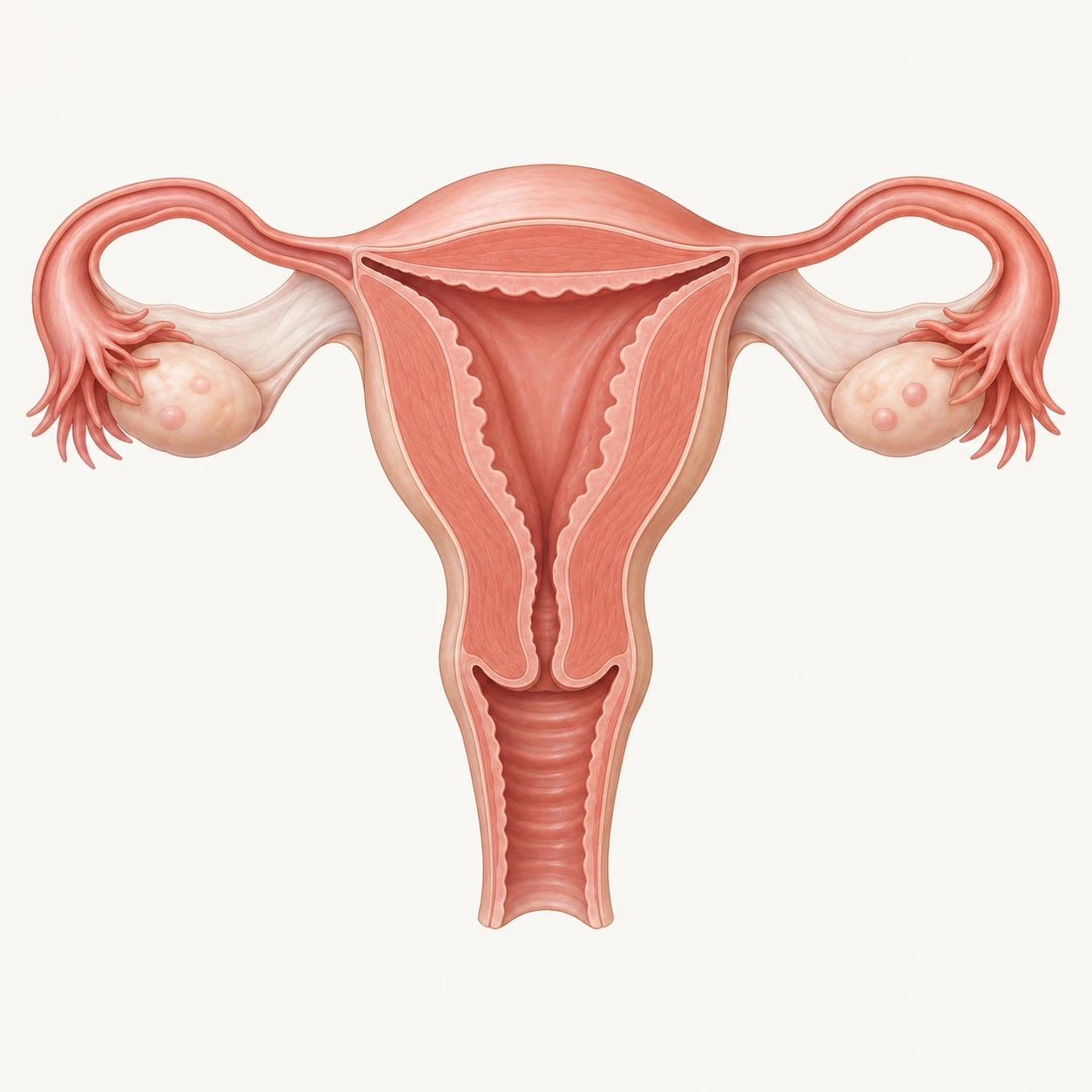
1Uterus2Cervix3Vagina
A schematic to help you understand the location and approach.
Surgical abortion uses instruments to remove pregnancy tissue from inside the uterus. The specific method depends on the gestational age, location of the pregnancy and your health.
Which area is involved?
Pregnancy tissue inside the uterus
How is it done?
Suction or another surgical method suited to your condition
What is the purpose?
Removing pregnancy tissue and checking whether the procedure is complete
The surgical method is decided after confirming the pregnancy status.
Surgical abortion is a method that removes pregnancy tissue from the uterus by suction or similar means. The method, pain control, anesthesia, and preparation vary with gestational age, location of the pregnancy, and your health. A full explanation of counseling and options can first be reviewed in Abortion Care Information.
The available scope of care, methods, anesthesia, required documents, and costs are confirmed through actual examination and consultation.
Check what the cost includes.
Tests, surgery and anaesthesia costs
Check separately whether the quoted amount includes fees for tests such as ultrasound, surgery fees and anaesthesia fees. The final cost may vary with the status of the pregnancy and the procedures needed, so ask for an explanation after examination and before proceeding.
Medicines, follow-up and additional procedures
Ask whether prescribed medicines and recovery follow-up are charged separately, and whether there are optional items or additional procedures. When comparing prices at other clinics, check that they cover the same items.
We check these before planning surgery.
Pregnancy and health status
Note the first day of your last period and the date of your home pregnancy test, and gather any previous ultrasound or blood test results. Also tell us about medicines, supplements, allergies and previous pregnancies or surgery. Necessary tests are decided according to your current condition.
Method and your own decision
Ask to hear about possible methods, risks, and alternatives, and raise any questions you have. The scope of care and required procedures are confirmed during your visit.
Pain control and going home
When booking, check when to start fasting, the instructions for drinking water and whether to take your usual medicines. Do not follow an online timetable without checking or stop medicines on your own. If sedation or anaesthesia is planned, also confirm help getting home and driving restrictions in advance.
Explore each step, from consultation to follow-up after surgery.
01
Planning through consultation and tests
Your last menstrual period, test history, gestational age, pregnancy location, and health are assessed. Available methods, risks, and preparation are explained, and your wishes are confirmed.
02
Same-day condition and consent confirmation
We review your health, preparations, and the plan again. If anything differs from what you were told, please ask before proceeding.
03
Surgery using the planned method
The procedure is done with instruments and methods suited to the pregnancy. Please ask us to explain the time of the surgery itself separately from the time you will stay, including observation and getting ready to go home.
04
Recovery check before going home
Whether you can go home is decided after checking bleeding, pain and recovery from anaesthesia. Get instructions on how to use prescribed medicines, any follow-up needed and how to contact the clinic. The visit includes tests, consultation and recovery observation as well as surgery, so leave enough time before your next plans.
Please tell us right away about worsening pain or bleeding, or fever.
When contacting the surgical facility
Seek care promptly if bleeding increases, pain worsens, or you notice fever, unusual discharge, or other changes that may suggest infection. If you faint or your condition suddenly worsens, get emergency help.
At home, review symptoms and your plan for the next check.
Expected changes and complications
Abdominal pain and bleeding can occur. You should receive an explanation of possible infection, retained tissue, injury to the uterus or cervix, and the possibility of needing additional treatment.
Daily life and contraception planning
Resume daily activities and sexual activity according to your recovery and the instructions you receive. You can become pregnant again, so if you want contraception, discuss when to start and which method to use.
Feelings that may need support
You may feel many emotions, including relief or sadness. If the burden continues, you can tell the medical team and ask for counseling support.
Future pregnancy
In general, fertility returns to its previous level after recovery without complications. However, complications such as infection can affect fertility, so seek medical care for unusual symptoms. Pregnancy can occur again; if you want contraception, discuss when to start and which method to use.
Plan daily life during recovery.
Work, driving and exercise
Tell your clinician whether your work is desk-based or involves prolonged standing or physical effort. Plan your return to work based on bleeding, pain and your condition after anaesthesia. If you have had general anaesthesia, do not drive yourself home and arrange help at home as well.
Monitoring bleeding, washing and sexual activity
Sanitary pads make it easier to monitor changes in the amount of bleeding. Ask separately about showering, bathing, exercise and sexual activity rather than applying one rule to all of them. Resume sex when you feel physically and emotionally ready, and plan contraception if you do not want a pregnancy.
Frequently Asked Questions
Q.Can surgery be done on the same day as the consultation?
This depends on test results, your health, preparation and appointment availability. When booking, give the date of your last menstrual period, say whether you have already had tests, and list the medicines you are taking. Also check fasting, accompaniment and the documents to prepare. Consultation or tests may come first; same-day surgery is not guaranteed.
Q.Can I visit the clinic alone?
Accompaniment at consultation, the surgical consent process, and help getting home after anaesthesia are three separate matters. When booking, say whether you want consultation only or are considering surgery, and check required documents and accompaniment rules. After anaesthesia, travelling or staying alone may be difficult, so discuss support in advance.
Q.How is follow-up after surgery done?
How completion and recovery are checked depends on the method used and your progress. If follow-up or testing is advised, confirm its purpose and timing. Contact the clinic that performed the procedure before your scheduled visit if bleeding or pain does not improve or you still feel pregnant.
Q.Can I discuss medication and surgery as options?
Options depend on pregnancy status and medical history. Ask about each method’s risks and the possibility of further treatment. Availability of medication and the clinic’s actual scope of care must be confirmed at consultation.
Q.Which items should I ask about when checking costs?
Ask whether tests, surgery, anaesthesia and subsequent care are included, the estimated total, and when extra charges may apply. Costs may vary with the method appropriate for you and your test results, so confirm the amount at consultation.
Q.What should minors check before visiting?
When booking, ask about care and consent procedures for minors and the required documents. Do not infer accompaniment or documentation requirements from this guide alone; explain your circumstances and ask for instructions.
Q.What if my condition changes after booking?
Tell the medical team before proceeding about new bleeding, pain, fever or changes in medication. With severe symptoms, fainting or a rapidly worsening condition, seek prompt care or emergency help rather than waiting for your appointment.
Feel free to bring your questions.
Please tell us what is bothering you and your previous examination and treatment history. Together we will confirm the care you need.
LILEAP WOMEN'S CLINIC, Sasang, Busan · Care from a female obstetrics and gynecology specialist
Unit 901, 200 Sasang-ro, Sasang-gu, Busan
Lileap Women's Clinic is conveniently accessible via Sasang Station on the light rail, Sasang Station on subway Line 2, and Sasang Bus Terminal.
Before your visit, confirm the clinic schedule and any preparation when booking or by phone.